Treatments

Massages

Massage is an art.
Each session is an original creation.

Through the authenticity of their touch, the practitioner engages in a highly specific human relationship, developing a holistic awareness of each individual’s requests and needs.

This shared bodily awareness allows the receiver to access a new, more complete and more soothing dimension of themselves.
The receiver’s attention during the session—their breathing participation and body awareness—is a first step toward the gradual learning of psychocorporal practices systematically offered in the “PLP GLOBAL WELLNESS” approach.

Make an appointment

pLp GLobaL WeLLness

Our treatments


  • Californian

    Soft and enveloping with essential oils

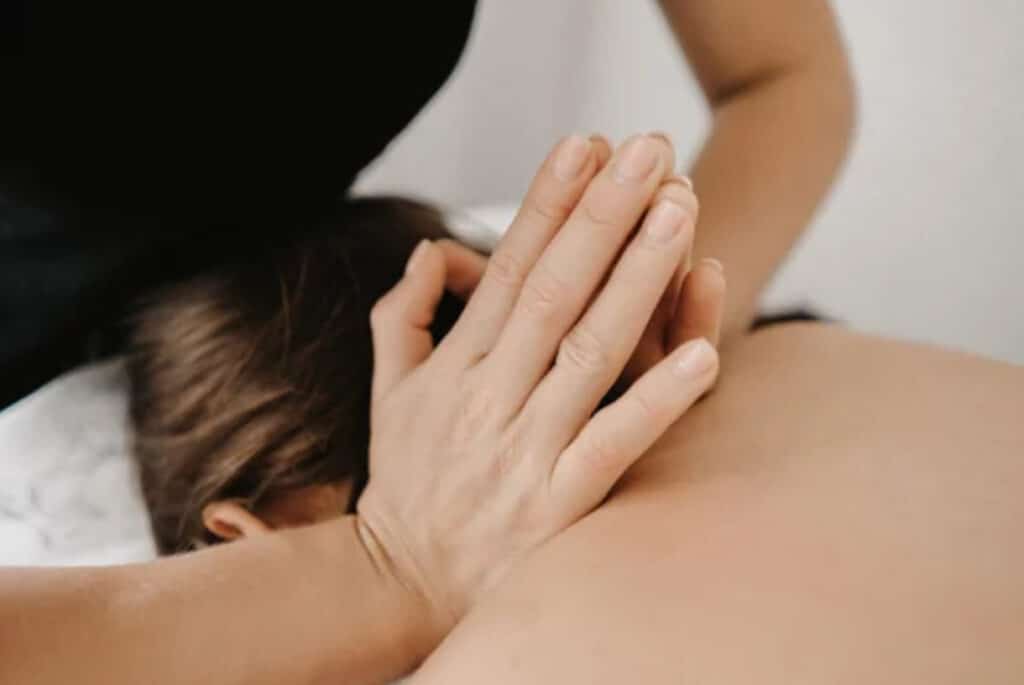
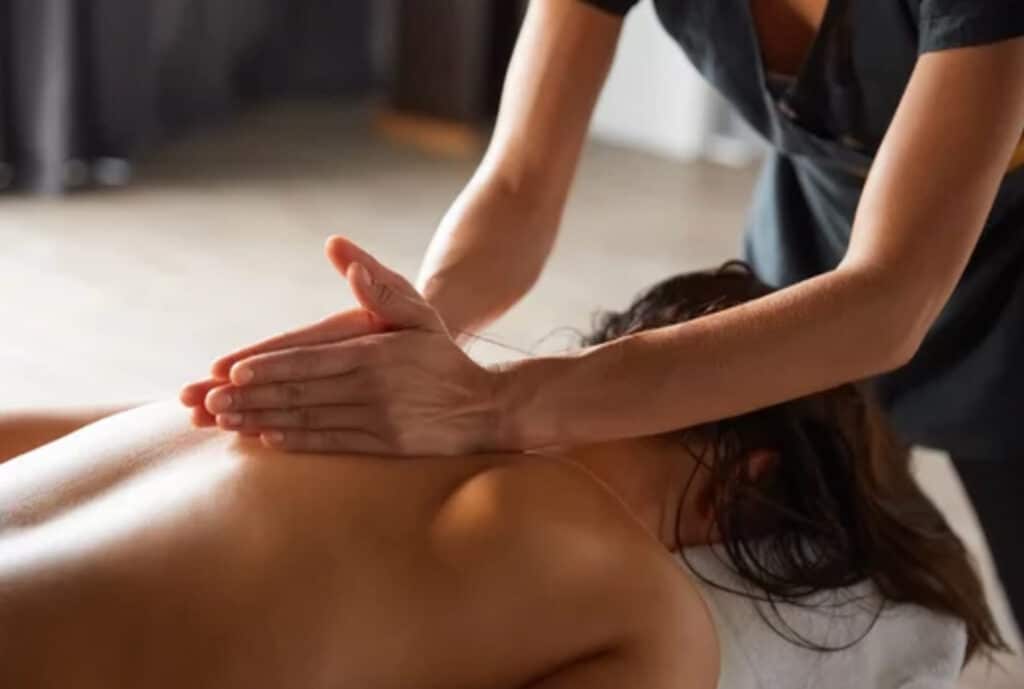
    Californian massage is a holistic approach that aims both to relax and to awaken mind-body awareness. This massage uses long, slow, fluid movements to achieve deep physical and mental relaxation.

    Starting with gentle, enveloping and relaxing effleurages, maneuvers follow one another and intensify to relieve deeper tensions. This can bring to the surface and release hidden emotions stored in the body’s memory. The more the person being massaged surrenders to the experience, the more he or she opens up to what Californian massage describes as the touch of the heart.

    Californian massage emerged in the early 1970s, at a time when therapy groups were beginning to focus on the development of human potential, the expression of feelings and the mind-body connection. The Esalen Institute, a growth center in Big Sur, California, was home to a number of researchers who made a major contribution to this trend. Various forms of therapy and body techniques were born there.

    The Californian massage technique was created by Margaret Elke. She was inspired by the gentleness of Esalen massage, which she combined with a more inward, emotional approach. She taught the technique in the United States, then in France, among other places as a complementary tool to psychotherapeutic work. The technique became particularly popular in the 1980s.

    There is no official body overseeing Californian massage training. Professional associations ensure that quality standards are respected in both training and practice.

    The benefits of Californian massage
    According to the Fédération québécoise des massothérapeutes, Californian massage is effective in relieving chronic pain and muscular pain in people suffering from fibromyalgia, arthritic diseases and other conditions. Lastly, it could encourage the emergence of body memory and help people who have experienced trauma or who are undergoing psychotherapy.
  • Swedish

    Muscular and dynamic

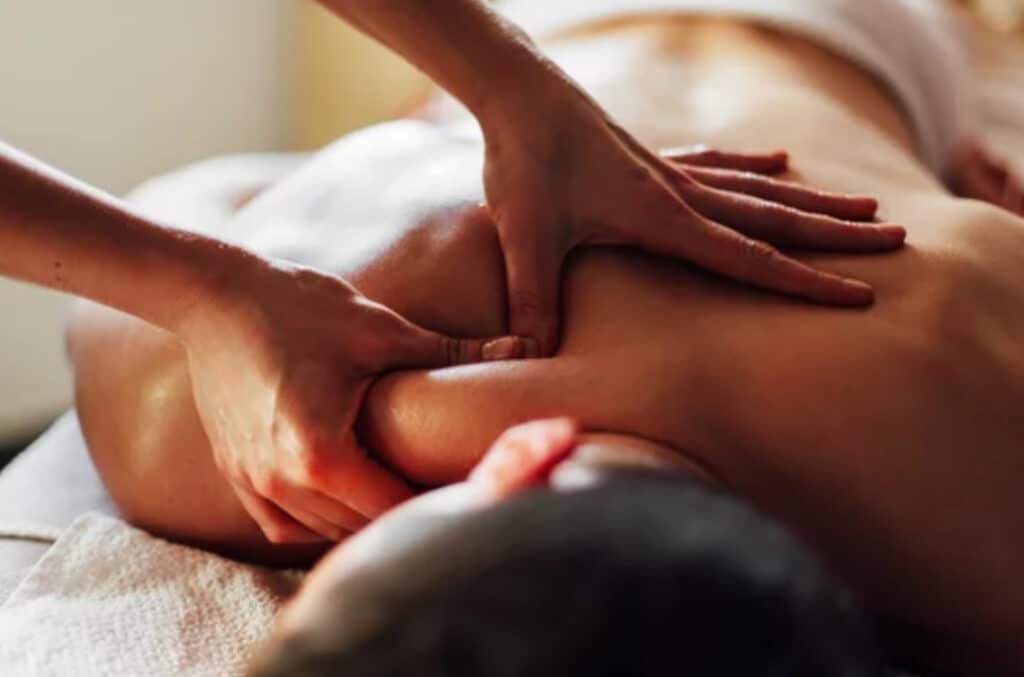
    Swedish massage aims to relieve tension and strengthen muscles and joints. Its invigorating and relaxing effect promotes blood and lymphatic circulation and the elimination of toxins, helping the body to regain its natural balance.

    The technique involves several maneuvers: effleurage, kneading, friction, percussion, and vibration. When performed in a specific order, they create effects similar to those obtained through exercise. The basic maneuvers have remained the same for generations. They were developed by the Swede Per Henrik Ling (1776-1839), who was a physician, teacher, and poet. Ling is best known for his method of gymnastics known as “Swedish” (Svenska Gymnasiens). He taught it at the first gymnastics school he founded in Stockholm in 1814, which he ran until 1836, the Royal Gymnastics Central Institute.

    The benefits of Swedish massage
    Reducing back pain
    In 2009, a systematic review evaluated the effect of massage in the treatment of lower back pain. Thirteen randomized clinical studies (1,596 subjects) published between 2000 and 2007, using different massage techniques, were selected. The authors concluded that massage may be beneficial for patients suffering from acute (4 to 12 weeks) and chronic (more than 12 weeks) low back pain. In addition, massage appears to be more effective when combined with exercise or education programs.

    Reducing post-operative pain and distress
    A randomized clinical trial published in 2003 was conducted to determine the effect of Swedish massage on post-operative symptoms following a laparotomy (abdominal incision). On the day of the operation and over the following two days, 146 women received standard care, standard care accompanied by Swedish massage, or standard care accompanied by vibration therapy (low-frequency sounds and vibrations). The results show that Swedish massage had a slight effect on postoperative pain and distress, but that this effect was no greater than that of the other two interventions.

  • Deep tissue

    Slow and deep massage

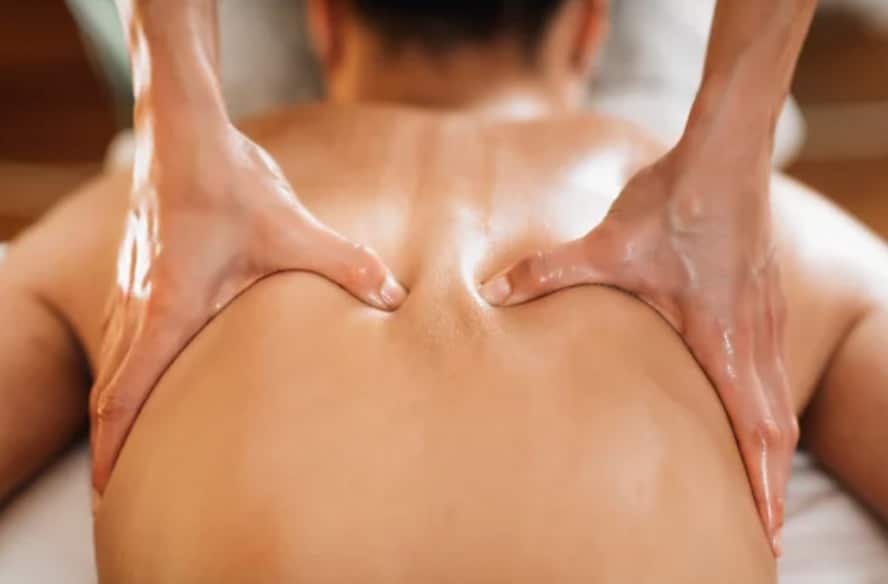
    Deep Tissue Massage is a massage technique that targets the deep layers of muscle and connective tissue. It uses slow pressure and deep movements to reach and release chronic tension, muscle knots and adhesions (areas of fibrous tension in muscles).

    Particular attention is paid to the different layers of Fascia that connect and envelop all body structures, and to their biotequality:
    i.e. their capacity for spontaneous three-dimensional deformation, followed by a return to their initial stability.
    These highly innervated, visco-elastic tissues play an essential role in the deployment of the essential spontaneous, semi-voluntary and involuntary perceptions and movements invoked in mind-body practices.

    Benefits
    – Reduced muscle pain: Helps relieve chronic pain and tension in muscles and connective tissue.
    – Improved mobility: Promotes better range of motion by releasing adhesions and muscle knots.
    – Stress reduction: Although more intense, this type of massage can also help reduce stress and anxiety by relaxing tense muscles.
    – Improved blood circulation: The techniques used promote better circulation, which helps to deliver nutrients and remove toxins from the muscles.
    – Injury rehabilitation: Aids recovery from muscular injuries and can be beneficial for people suffering from sports injuries or other physical trauma.

  • Expert

    The signature treatment

    This unique massage combines all techniques and expertise into a single, personalized treatment tailored to the wishes and needs of each recipient.

  • Amma seated

    Powerful, effective, and gentle

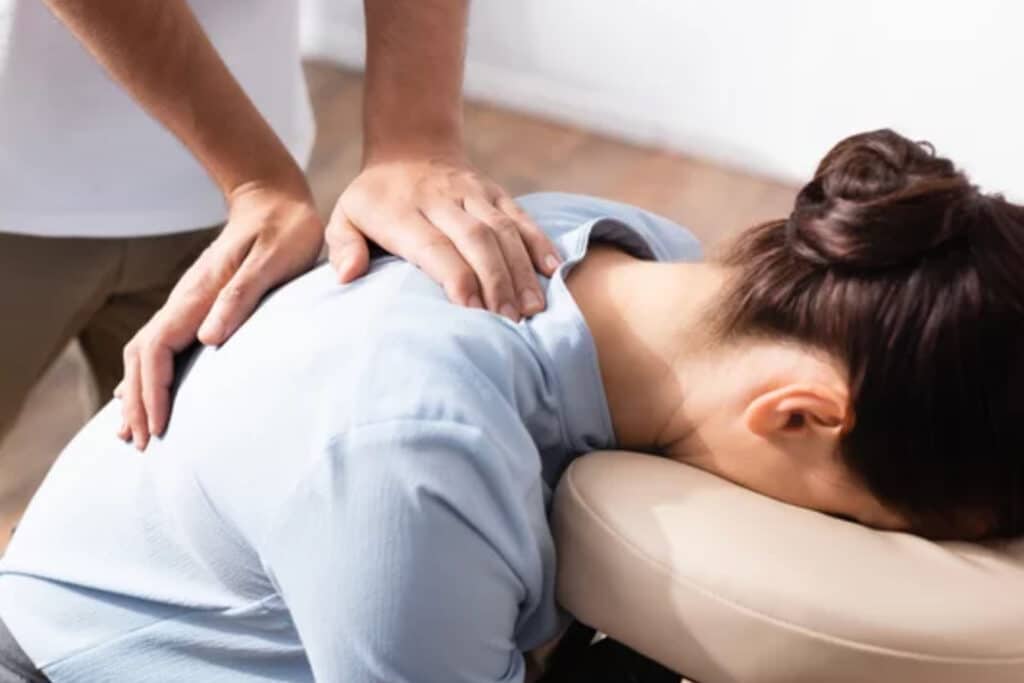
    Derived from a traditional Japanese massage technique called “Kata,” the ancestor of shiatsu, it was adapted into a seated form by David Palmer for IT companies in Silicon Valley in the United States in 1982. It is particularly powerful, effective, and gentle.

    Concentrated over a short period of time, performed on a clothed subject seated in an ergonomic chair, it provides immediate relaxation and an energy boost. This massage is designed as a coherent sequence of techniques—global pressure, percussion, energy point work, and brushing.

    It is offered:
    In clinics for immediate and comfortable “express” fitness,
    In companies as part of workplace wellness programs and efforts to combat stress and musculoskeletal disorders. It delivers real productivity gains and is the first step toward implementing the comprehensive MTONDOS prevention program.
    mtondos.biz
    In spas, golf clubs, or tennis clubs
    At events such as parties, meetings, exhibitions, or conferences.

    Its effectiveness depends on the practitioner’s proper training, knowledge of the body and energetics, and ability to constantly adapt their posture and techniques.

  • Aquamassage

    Immediate relaxing effect

    The state of relaxation in the water enables you to perform selected, gentle and precise sequences with a minimum of constraint, in a state of virtual weightlessness that induces a rapid effect of relaxation and rebalancing of the Fascias.

    Still little-known, massage and osteopathy practiced in the water, in a swimming pool, are highly appreciated for their immediately relaxing effect.

    Specific training is offered in particular for SPAs.

prise de rdv